
The Hidden Skills Kids Learn Through Sports (That No One Talks About)
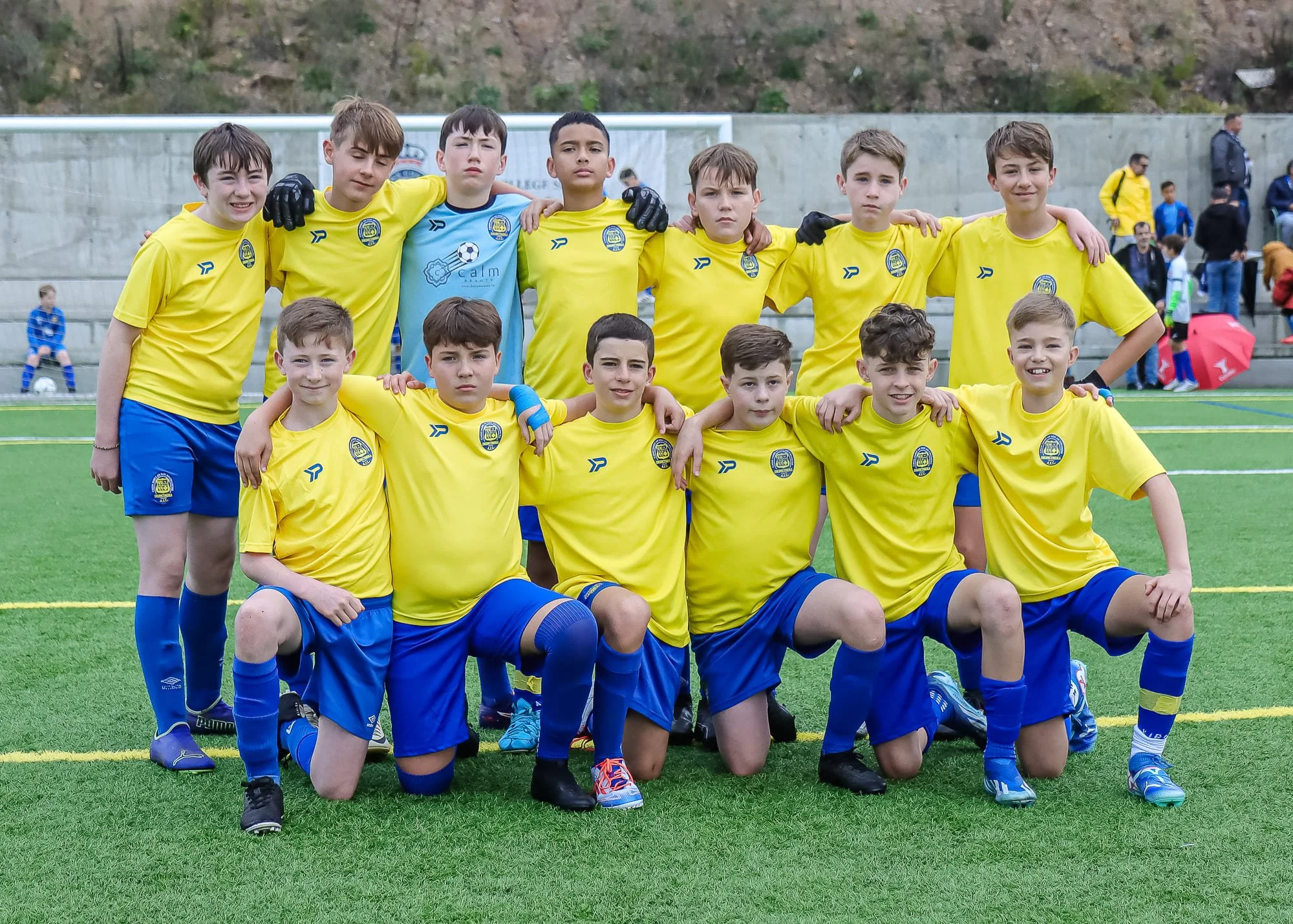
When we think of children in sport, we often imagine running, scoring, tackling, winning. Yet beneath the visible actions lies a rich network of subtle skills, quietly moulded by the experience of playing. These are the hidden competencies, like reading body language, adjusting to different leadership styles or managing emotion in a team setting, which often outlast the final whistle.
Beyond the Physical: Emotional Intelligence Under the Hood
In a recent study published in PMC, researchers found that participation in youth sports is linked to higher scores in emotional intelligence and self-esteem, especially when the sport is played in a team context. (PMC) The study showed that dimensions such as “use of emotion” and “self-emotional appraisal” mediate how sports involvement leads to greater life satisfaction. In short, kids active in team sports tend to develop stronger emotional awareness than non-participants. (PMC)
Another study on emotional intelligence among undergraduate athletes observed that longer years of sport experience and playing within certain team or group formats were associated with higher emotional maturity. (Frontiers)
These findings suggest that even when the spotlight is on scoring or defence, young players are absorbing lessons in how to read their own emotions, respond to teammates, and adapt to pressure, often without explicit coaching.
The Subtle Art of Reading Others
One of the lesser recognised skills developed through sport is nonverbal communication. In fast gameplay, players constantly observe opponents’ body posture, gestures, or movement intent, learning to anticipate passes, feints, or changes of direction.
Team sport provides a real-time laboratory for this. A child who learns to notice a teammate’s glance or a defender’s shifting balance can act before an instruction arrives. Over time, this builds intuitive awareness, enhancing both performance and empathy.
Studies on social skills development align with this. Engagement in team sport is associated with better communication, cooperation, and conflict resolution. (ResearchGate)
Flexibility with Leadership Styles
Every coach, captain, or senior player brings a different leadership style. Some lead by directive instruction, others by example, and others by empowering players to choose. Children exposed to varied leadership learn how to adjust.
A young athlete might thrive under a democratic team culture but struggle under rigid command structures. Over a season with mixed leadership, perhaps a different coach or peer captain, the athlete gains flexibility: they learn to respond, carry responsibility, propose ideas, or defer when needed.
Simply put, they build leadership adaptability, an often-overlooked muscle critical for team harmony and personal growth.
Managing Emotion in Collective Pressure
Sports are emotional: victories, mistakes, conflict, fatigue. A well‑structured environment helps children practise emotional regulation, such as how to calm nerves, rebound after errors, stay focused, or support a disappointed teammate.
A qualitative study with at-risk adolescents found that sport provided a structured, socially safe space where participants learned coping mechanisms, stress regulation, and emotional balance. (PMC)
Further, when children compete, studies show that those in team sports tend to score lower on markers of anxiety, depression and social difficulties compared to peers who don’t play team sports. (The Chronicle of Evidence-Based Mentoring) That suggests the communal aspect of team sport functions as emotional scaffolding.
Hidden Values: Resilience, Patience, Initiative
When a team is behind, or a child sits on the bench, those moments forge internal character. Resilience arrives when an athlete picks themselves up after a tough game. Patience is built by enduring drills and waiting for rotation. Initiative emerges when a player suggests a new play or helps a teammate improve.
These are not glamorous, but they shape how children respond to challenge long after their sporting years.
Risks, Balance and Overload
It is worth noting that not all sports environments nurture these hidden gains. Excessive pressure, early specialisation, or mismatched readiness can backfire. A 2‑year longitudinal study of Australian children showed that increases in organised sports were linked to both psychological strengths and potential stressors. (PubMed) And specialisation in one sport too early has been associated with burnout, anxiety and social strain. (PMC)
Hence, good coaches and parents must protect the space for growth, not just results.
Voices from the Field
Many coaches describe moments when “off the court, kids changed.” A former youth coach shared that one of his quietest players eventually became the moral centre of the team, helping others bounce back after mistakes. The change, he said, came not during drills, but in locker room conversations and shared losses.
Parents, too, often remark that children become more considerate, better listeners, or more patient with younger siblings, attributes they never expected to arise from a sports season.