
A Journey from Peach Baskets to Global Game: A Short History of Basketball
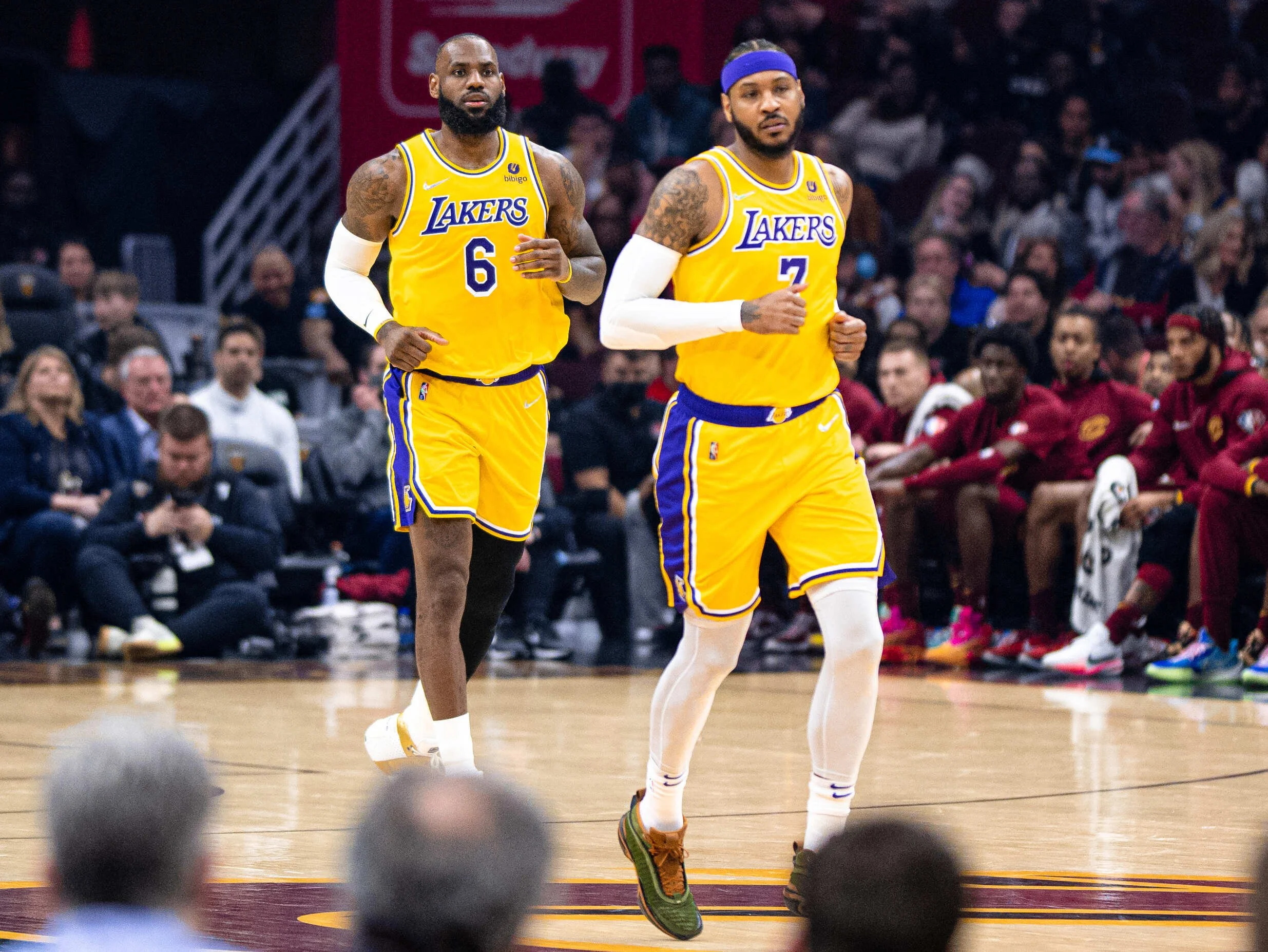
Photo source: Erik Drost, https://www.flickr.com/photos/edrost88/51959669856/
On a chilly December day in 1891, in a small gym in Springfield, Massachusetts, a new sport was born. The man behind it was James Naismith, a Canadian-born physical education instructor at the YMCA Training School, tasked with creating a game that could keep students active indoors during the winter. He hung two peach baskets on the walls and drafted 13 basic rules. Thus, basketball began.
Those earliest games had no dribbling; players passed the ball until someone got it into the basket, then had to climb a ladder to retrieve it. Over time, modifications came: the bottom was cut out of the baskets, the metal rim and net replaced wood, and dribbling was allowed gradually through rule changes.
Within a decade, basketball was played in colleges across the U.S., spreading via the YMCA network into Europe, Asia and Latin America. The global reach was further institutionalised when FIBA (Fédération Internationale de Basketball) was founded in 1932 to bring consistent rules and international tournaments.
In 1936, basketball made its Olympic debut in Berlin, played outdoors on modified tennis courts, solidifying its global standing.
Moments That Changed the Game
The Rise of Professional Leagues and the NBA
In 1946, the NBA (National Basketball Association) was founded, bringing top-level professional basketball under one umbrella. Over the decades, the league grew in skill level, commercial viability and international influence.
Key changes in playstyle and rules, as the adoption of the shot clock, three-point line, and improved defence standards, transformed basketball into a faster, more dynamic sport.
The 1992 Dream Team: A Turning Point
At the 1992 Barcelona Olympics, the U.S. assembled a squad of household names such as Michael Jordan, Magic Johnson, Larry Bird, and more, dubbed the Dream Team. They won every match by an average margin of 44 points, dominating with style and flair.
That team’s influence stretched far beyond medals. Broadcast globally, their performance electrified audiences, drove interest in basketball worldwide, and inspired youth from Europe to Asia to pursue the sport, contributing directly to the sport’s modern globalisation.
By the 2000s and 2010s, the NBA’s international player base exploded. Players like Dirk Nowitzki, Manu Ginóbili, Yao Ming, and, more recently, Giannis Antetokounmpo, Neemias Queta and Luka Dončić embodied how deeply the sport had penetrated other nations.
Teams and Athletes That Made Marks
University of Kansas / Kansas Jayhawks: Under guidance tracing back to Naismith’s lineage, the Jayhawks became a storied college basketball program.
Boston Celtics and Los Angeles Lakers in the NBA, iconic franchises that shaped the league’s history through dominant eras, star rivalries and championship legacies.
Legendary players:
Bill Russell, Wilt Chamberlain, and Kareem Abdul-Jabbar set records in scoring, rebounds, and championships.
Magic Johnson and Larry Bird renewed interest in the 1980s.
Michael Jordan bridged the game to new heights of global fame.
In recent times, LeBron James, Stephen Curry, and Kevin Durant have carried the torch, blending athletic excellence with social influence.
Basketball as a Force in Society and Culture
Basketball’s appeal extends beyond the court. Because it needs minimal equipment (a ball, a hoop, a court), it became accessible in urban and low-resource communities worldwide. Local outdoor courts became community hubs.
The NBA and FIBA established programmes like Basketball Without Borders, which run youth camps across continents, teaching not just skills but leadership, life skills, and cross-cultural exchange.
Media, music and fashion have embraced basketball culture: sneaker culture, streetball, social media highlights, all contribute to its identity in popular culture.
Moreover, basketball has aided social development. In many countries, youth development programmes use basketball to promote inclusion, education and opportunities in underprivileged areas.
This evolution is also visible in the rise of international basketball tournaments across different age groups. Events like the Lisbon Basketball Youth Cup, held annually in Portugal, bring together young players from across Europe and beyond for a weekend of spirited competition and cultural exchange. At the other end of the spectrum, organisations such as the European Seniors Basketball Association (ESBA) promote lifelong participation in the sport, offering tournaments for men and women aged 35 to 75.
Together, these events show that basketball truly is a game for all generations, one that develops technical skill, builds confidence, and strengthens community through every stage of life.
The State of the Game and What Lies Ahead
Basketball today is richer, faster, and more global than ever. New formats like 3×3 basketball have gained Olympic inclusion. Women’s basketball continues expanding in visibility and investment. Technology, e‑sports, data analytics, and streaming all open new frontiers.
Challenges remain: ensuring the sport is accessible in lesser-developed regions, maintaining competitive parity, managing commercialisation pressures, and preserving local identity amid global brands.
But the trajectory is clear: basketball is no longer just “America’s game.” It is the world’s game, shaped by many voices, many styles, many stories.
Sources:
🔗 Britannica – History of basketball
🔗 Hoop Hall – Naismith and the original rules
🔗 Wikipedia – Basketball history
🔗 YMCA South Florida – Timeline of key moments
🔗 Britannica – Dream Team
🔗 NBA.com – Top Moments: Dream Team
🔗 ESPN – How the 1992 Dream Team sparked global fandom
🔗 Sotheby’s – A Global Slam Dunk
🔗 Saucon Panther – Globalisation of basketball
🔗 Sport Journal – Globalization of basketball