
Team Sports vs Individual Sports: What Each Teaches Young Athletes
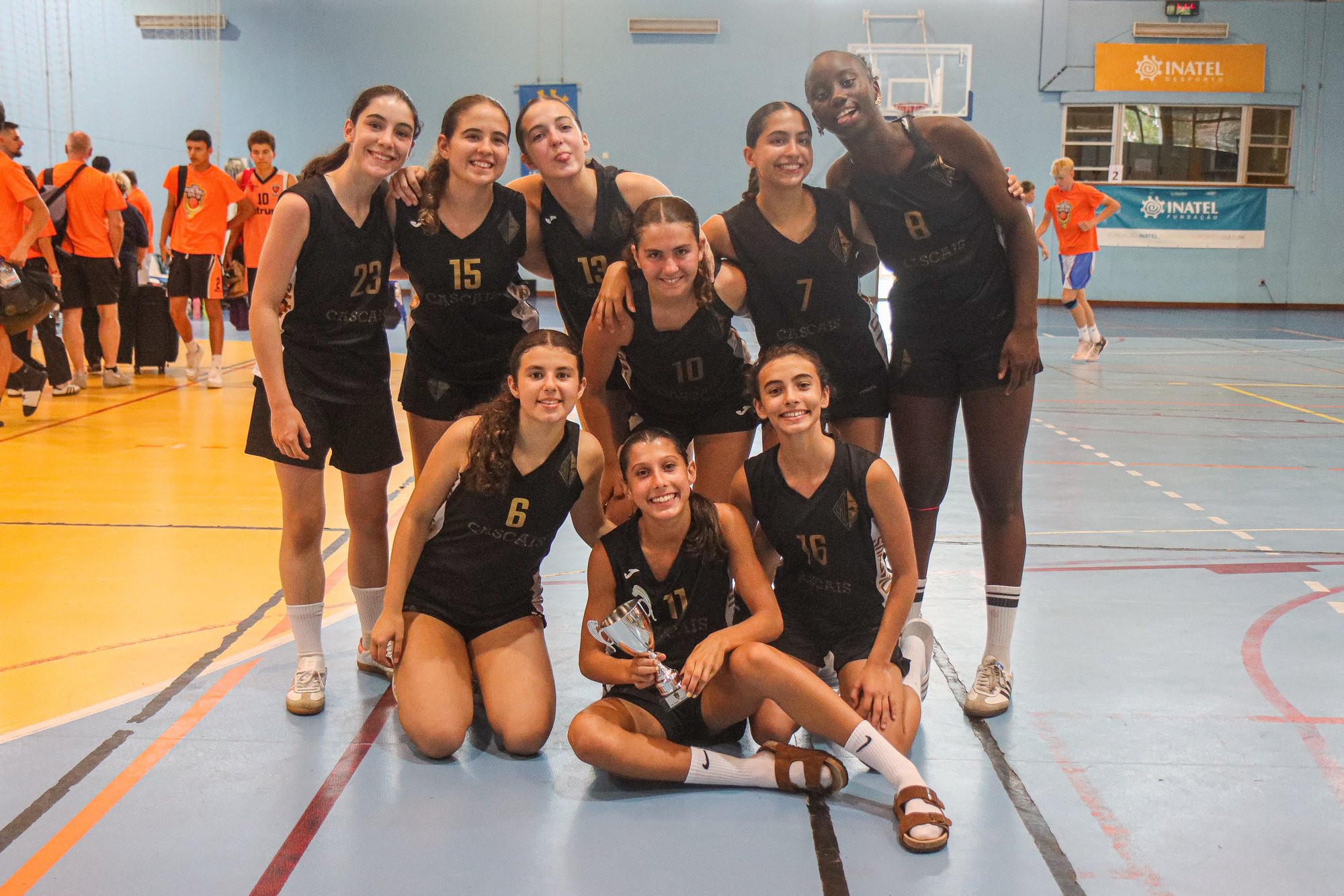
Discover how team and individual sports each benefit youth development, physically, mentally and socially, with insights from research and practical examples.
Introduction
Deciding whether a child should play football, tennis, or both isn’t just about personal preference; it’s about understanding complementary benefits. Team sports offer social connection and strategic thinking, while individual sports build self-reliance and focused discipline. This article explores what each approach teaches young athletes and how combining both can create well-rounded individuals.
1. Social Well-being and Mental Health
Team sports provide a powerful social environment. A European systematic review found that participation in organised team sports is linked to significantly better mental health and social outcomes, such as higher self-esteem, reduced stress, and a stronger sense of belonging, compared to individual sports or non-sport participation. One large study reported that team sports participation in adolescence is associated with notably fewer symptoms of anxiety and depression than in those involved only in individual sports. (ResearchGate; Systematic Reviews; ScienceDirect; National Library Of Medicine; Youth Sport Trust; Leeds Beckett; Sport Human Rights; The Guardian; Washington Post; Taylor & Francis; Human Kinetics Journals; OSU; Biomed Central)
In contrast, individual sports can carry more pressure. Research indicates that young participants in tennis or gymnastics report double the rates of anxiety or depression compared to their team sport peers. (National Library of Medicine; Verywell mind; Science Direct; The Guardian; Wikipedia; Biomed Central)
2. Teamwork, Communication and Leadership
Team sports act as a natural classroom for communication, empathy and leadership. A recent study in the American Journal of Recreation and Sports shows that engaging in collective sports fosters essential interpersonal skills such as communication, cooperation and conflict resolution. Youth participants report improved ability to collaborate towards shared goals, greater self-esteem, and enhanced social competence.
In individual sports, athletes become self-reliant. They manage training plans, cope with performance pressure and develop strong discipline. These are valuable traits for academic study and professional environments.
3. Decision-Making and Strategic Thinking
In team sports, athletes constantly read the game, coordinate with teammates and adapt tactics in real time. This dynamic environment sharpens spatial awareness and teamwork.
Individual sports train athletes to refine their game one-on-one. Feedback is immediate - win or lose - and they learn to assess performance critically. Junior tennis players, for instance, are regularly encouraged to analyse strengths and weaknesses independently.
4. Physical Development and Injury Prevention
European guidelines caution early specialisation in one sport, as it can increase overuse injuries and burnout (Wikipedia; The Guardian; Science Direct). Multi-sport participation is widely recommended.
Team sports often involve varied motions: running, jumping, changing direction, which supports all-round athletic development. Individual disciplines, while demanding precision, often miss this movement variety.
5. Enjoyment, Motivation and Retention
Research highlights that motivation in team sports often comes from fun, friendship and belonging rather than pure achievement (Wikipedia; Biomed Central; Evidence Based Mentoring). These intrinsic rewards keep young people engaged longer.
Individual sport athletes, driven more by personal goals, may face more emotional pressure. While goal-oriented, they can be at greater risk of burnout if training becomes excessive (Leeds Beckett).
6. Balancing Both Approaches
Combining team and individual sports gives youth the best of both worlds. European guidelines and sports development experts agree that multi-sport youth athletes show greater physical literacy and longer engagement in sport.
Examples in Practice
A youth athlete may play football after school, developing teamwork and communication, and attend swimming lessons, building concentration and autonomy.
A Sunday League parent can encourage a young tennis player to play a team sport during weekends for social balance, supporting both physical and mental health.
Conclusion
Team sports build social bonds, communication and resilience, while individual sports develop self-reliance, focus and discipline. European research supports that mixing both promotes long-term physical and mental health, reduces injury risk and fosters lifelong enjoyment.
Parents and coaches can help guide young athletes by encouraging a blend of sports, creating individuals who thrive in all aspects of life, both team-based and solo.
Note: This article is based on research and best practice in youth sports development.