
Concussion Awareness in Youth Team Sports: What Every Coach Should Know
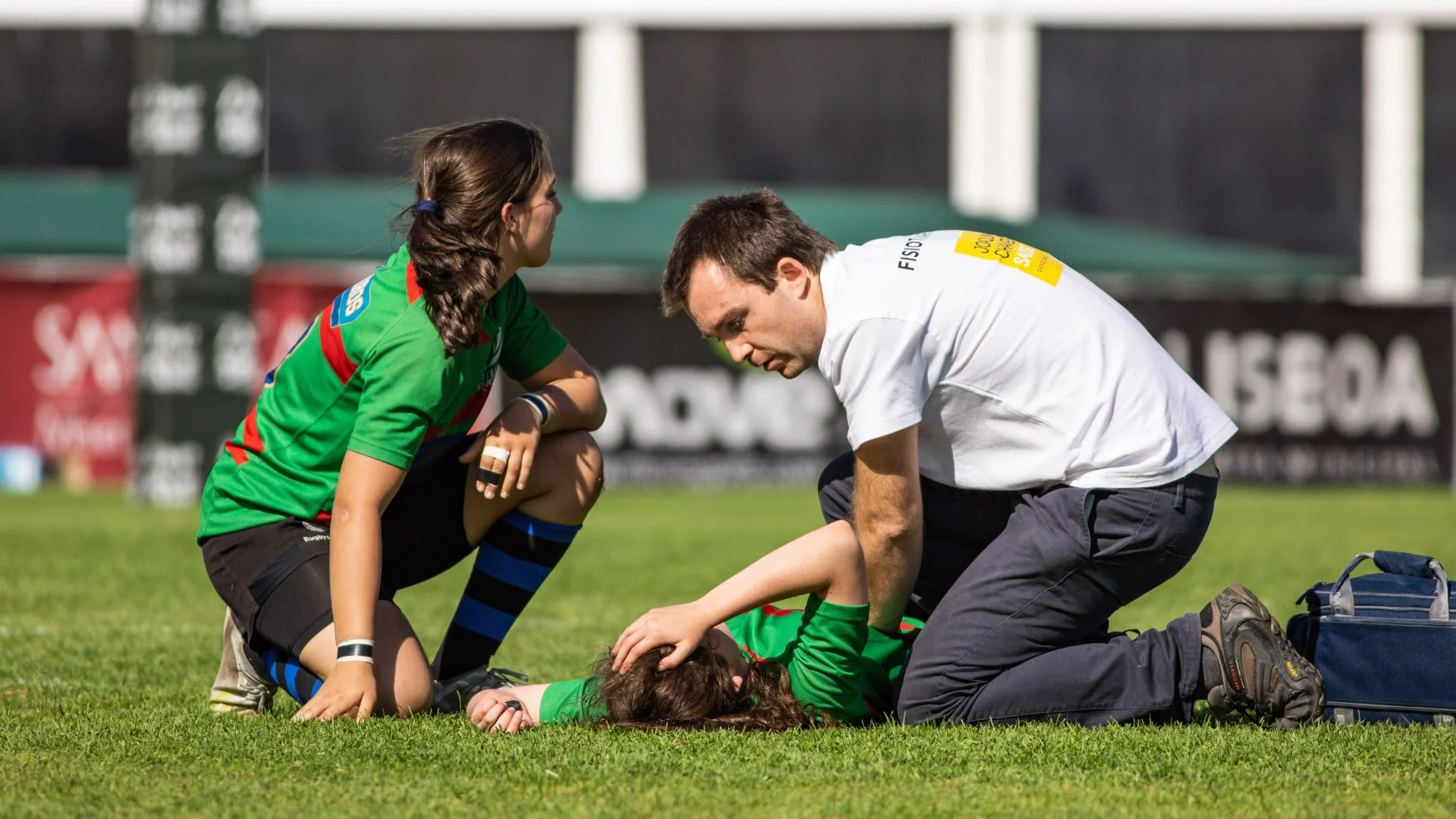
Essential concussion guidance for youth team sport coaches: recognise signs, implement return-to-play protocols, and prioritise safe practices alongside competition.
Introduction
Concussion has rightly become a major concern in youth team sports, with growing awareness around its long-term effects and proper management. Coaches, parents, and club managers need to understand how to identify and respond to these injuries, ensuring young athletes stay safe and supported both on and off the field.
1. Recognise the Warning Signs
The first step is knowing what to look for. According to UK Coaching, common signs include:
Loss of consciousness or balance issues
Confusion or dazed appearance
Headaches, nausea or vomiting
Emotion changes like irritability or tearfulness
Just one symptom is a signal. Coaches must follow the golden rule: "If in doubt, sit them out".
2. Remove Immediately and Seek Medical Help
Consensus among European concussion guidelines emphasises early removal:
Any suspected concussion requires immediate removal from play or training
Medical evaluation should take place within 24 hours
Athletes should not be left alone or unsupervised for at least 24 hours
These measures are now standard in community sport in the UK, as part of the UK-wide grassroots concussion guidance.
3. Follow a Graduated Return-to-Play Protocol
Returning to sport should be gradual. European SCAT guidelines recommend a six-stage protocol:
Rest for 24–48 hours
Light aerobic activity
Sport-specific non-contact training
Full training
Unrestricted practice
Return to full competition
Each stage should last at least 24 hours, with progression only if symptom-free. If symptoms reappear, revert to the previous stage.
4. Collaborate with Medical Professionals
Coaches may not lead the medical side of concussion management, but have a vital role:
Stay informed about each athlete’s progress
Adjust training and involvement accordingly
Create a supportive environment that encourages honest symptom reporting
High-performing youth clubs already demonstrate strong cooperation between coaches and medical staff, resulting in safer, more controlled recoveries.
5. Educate Your Team and Parents
Awareness is the best prevention. UK Coaching recommends regular concussion education sessions for:
Coaches
Athletes
Parents and guardians
An annual update on common symptoms, recovery procedures, and “If in doubt, sit them out” protocols ensures everyone recognises the importance of safe practices.
Practical Toolkit for Coaches
| What to Do | Why It Matters |
|---|---|
| Keep an eye out for signs such as dizziness or confusion | Early removal prevents further injury |
| Always remove a player suspected of a concussion | Immediate action protects long-term health |
| Communicate with medical staff and parents | Ensures safe, coordinated care |
| Follow return-to-play steps | Supports recovery and prevents relapse |
| Educate regularly | Builds awareness and honesty within the squad |
Conclusion
For youth team sports, safety should always come first. By recognising signs, erring on the side of caution, following proven protocols, and educating your team, coaches can protect the health and future of young athletes. Remember, concussion management isn’t just a medical matter; it’s part of responsible coaching.
At tournaments organised by Move Sports, a trained physiotherapy team is always present on-site. These professionals are equipped to identify early signs of concussion and ensure that players are removed from the game if necessary, following the “If in doubt, sit them out” principle. This provides an extra layer of safety and peace of mind for teams, coaches, and families attending our events.
Let’s keep our players safe and ensure sport remains a positive and enriching experience.
Sources are cited from UK Coaching, European SCAT guidelines, and recent UK concussion policy updates.
Sources: (Sports and Recreation, UK Government; UK Government; International Concussion Society; The Brain Injury Association; British Journal of Sports Medicine; Taylor & Francis; CCEA; Wikipedia; University of Southern Denmark; National Library of Medicine; American Academy of Pediatrics; UK Coaching; The Wall Street Journal; SCAT; Science Direct; Milltown Soccer)