
The Evolution of Football: From Ancient Origins to the Modern Game
In 1863, representatives from various English football clubs convened in London to standardise the rules of a burgeoning sport. This pivotal meeting led to the formation of The Football Association (The FA), marking the birth of modern association football.
Ancient Beginnings
While 1863 is a landmark year, the roots of football trace back much further. Ancient civilisations played games involving a ball and feet:
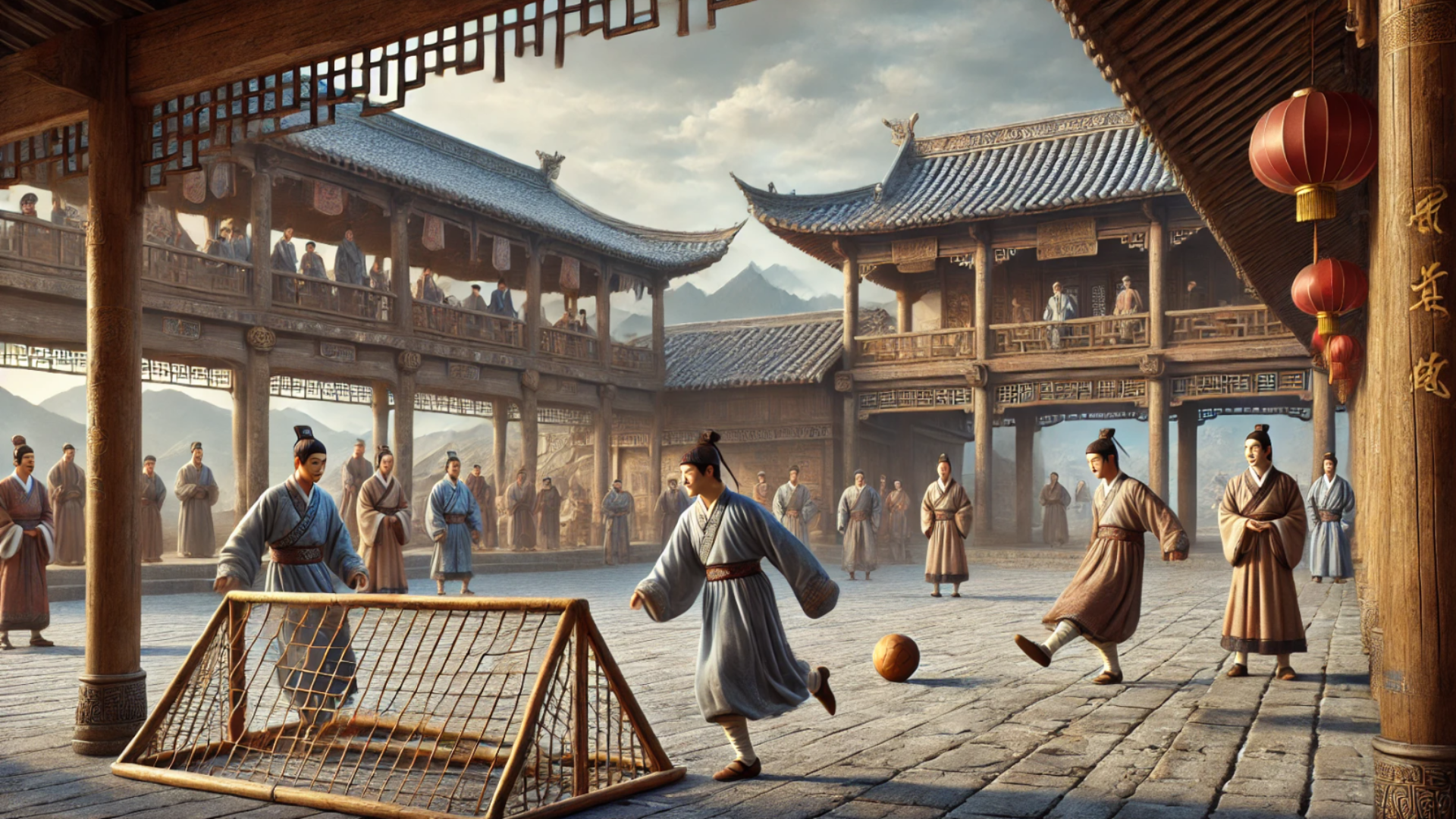
China: The game of Cuju, recognised by FIFA as the earliest form of football, was played during the Han Dynasty (206 BC – 220 AD).
Greece and Rome: Both cultures had their versions of ball games, such as Episkyros and Harpastum, which involved teams attempting to pass a ball over the opponent's boundary lines.
Medieval and Early Modern Europe
In medieval Europe, various forms of football emerged:
England: By the 12th century, a game referred to simply as "football" involved entire villages competing to move a ball to a specific location, often resulting in chaotic and sometimes violent encounters.
Standardisation and Codification
The 19th century was crucial for football's development:
Public Schools: English public schools like Eton and Harrow played their own versions of football, each with distinct rules. This diversity highlighted the need for standardisation.
The Cambridge Rules: In 1848, these rules were established to unify different school games, influencing the future laws of football.
The Football Association: Founded in 1863, The FA's first act was to draft a comprehensive set of rules, distinguishing association football from rugby football.
Key Milestones in Football's Evolution:
1872: The inaugural FA Cup took place, establishing the world's oldest football competition.
1872: The first official international match was contested between Scotland and England, ending in a 0-0 draw in Glasgow.
1888: The Football League was established in England, introducing a structured competition among clubs.
Global Expansion
Football's appeal rapidly transcended England's borders:
Europe: Countries like Italy and Germany formed their own clubs and leagues by the late 19th and early 20th centuries.
South America: British immigrants introduced football to nations such as Argentina and Brazil, where it flourished and became deeply ingrained in the culture.
Formation of FIFA
Recognising the need for an international governing body, FIFA (Fédération Internationale de Football Association) was founded in 1904 in Paris. This organisation would oversee the global rules and development of the game.
The World Cup
In 1930, FIFA organised the first World Cup in Uruguay, with the host nation emerging victorious. This tournament has since become the pinnacle of international football, held every four years (with exceptions during wartime).
Modern Era and Cultural Impact
Today, football is a global phenomenon:
Professional Leagues: Prestigious leagues like the English Premier League, La Liga in Spain, and Serie A in Italy showcase top talent and attract massive global audiences.
Cultural Influence: Football has influenced music, fashion, and politics, reflecting and shaping societal trends worldwide.
Conclusion
From ancient ball games to the meticulously organised sport we cherish today, football's evolution is a testament to its universal appeal and adaptability. Its rich history mirrors the cultural and social dynamics of societies, solidifying its place not just as a game, but as a global passion.
Sources
History of association football - Wikipedia
Timeline of association football - Wikipedia
Soccer History Timeline - Topend Sports
Football (soccer) | History, Game, Rules, & Significant Players
The history of soccer | World Football FAQ - Bundesliga
The history of football (soccer)
Soccer Timeline and Important Moments in Soccer