
What Young Athletes Really Gain From Playing Against Different Playing Styles
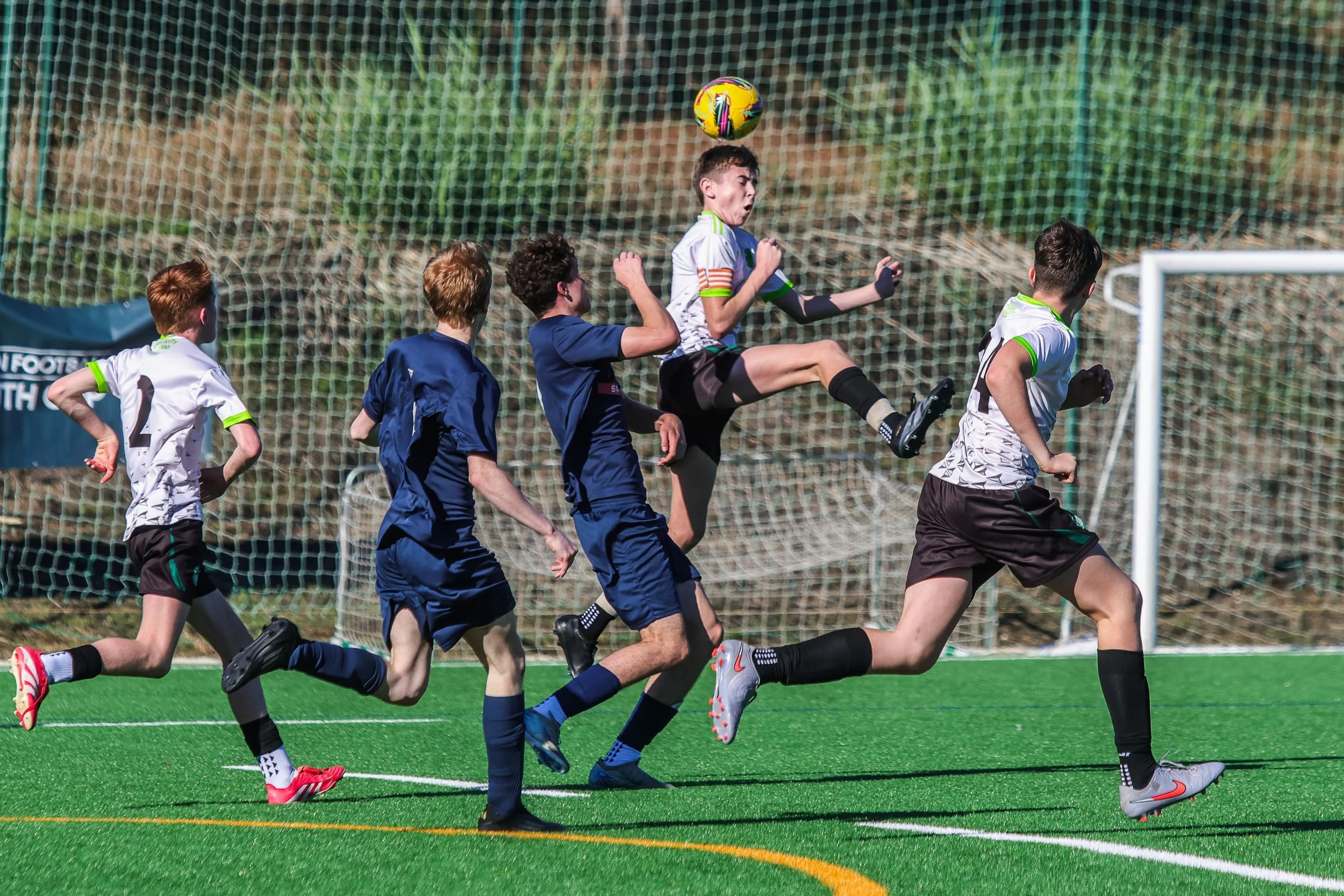
When young athletes step onto the pitch, the court or the field against a team they’ve never faced before, something important happens. They meet unfamiliar movement patterns, different tactical ideas and a rhythm of play they don’t fully recognise. And in that moment, the game becomes more than competition: it becomes a lesson.
Facing different playing styles is one of the most valuable experiences a young athlete can have. It accelerates learning in ways that regular domestic fixtures simply can’t replicate. And on international sports tours, where each match brings a new approach, this growth becomes even more pronounced.
Here’s why it matters.
They See the Game From New Angles
Every region has its own sporting “accent”.
British football often prizes physicality and tempo; Portuguese sides tend to focus on ball retention and positional play. In rugby, schools in Ireland may emphasise structured patterns, while Spanish clubs favour speed and fluidity. Basketball teams from different cultures vary in spacing, pace and decision-making. Volleyball and netball teams alter their defensive systems depending on coaching traditions.
When young athletes face these contrasts, they quickly learn that there is no single “correct” way to play. They start to understand the game in a broader, more flexible way, an understanding that forms the foundation of tactical maturity.
They Adapt Faster, Often Without Realising It
Unfamiliar opponents force quick decision-making.
A winger used to comfortable space might suddenly find themselves pressed aggressively; a setter who always plays at a certain rhythm may need to adjust when the opposition closes angles differently; a rugby fly-half might have to rely on kicking strategy because the defensive line is unusually compact.
These adjustments happen in real time. Young athletes learn to:
read the game earlier
switch between solutions more confidently
interpret pressure differently
react with calm instead of instinct alone
It’s adaptation as a skill, learned not in drills, but in unpredictability.
They Become Better Problem-Solvers
Every unusual playing style presents a small puzzle.
How do you break down a team that defends deep?
What do you do against an opponent that presses relentlessly?
How do you handle quick transitions when your league usually plays in controlled phases?
What is the best counter to a team that relies heavily on fast wing play?
Young players begin to search for solutions, discuss ideas with teammates and reflect on what worked or didn’t. This problem-solving mindset translates directly into better training habits and more confident match performances back home.
They Develop Emotional Intelligence on the Field
When the pace, style or physicality of a match differs from what they expect, athletes feel pressure, but the right kind of pressure.
They learn to:
stay composed when the game looks unfamiliar
control frustration when an opponent’s style disrupts their rhythm
communicate better to reorganise under stress
support teammates who are adapting at different speeds
International sport isn’t only technical; it’s emotional. Exposure to contrast helps players keep their heads when matches become unpredictable, an invaluable competitive skill.
They Strengthen Their Athletic Identity
Young players often define themselves by their role in their home environment: “I’m the fast one”, “I’m the strong defender”, “I’m the creative passer”.
Facing different styles challenges these labels.
A player whose speed dominates locally may find opponents who neutralise it, forcing them to develop timing and positioning.
A physically dominant athlete may realise that technique becomes crucial against more agile teams.
A disciplined, structured player might discover creativity when forced out of rigid systems.
The result is a stronger, broader identity, an athlete who knows they can contribute in more than one way.
They Gain Cultural Understanding Through Sport
Playing styles are shaped by culture, such as coaching traditions, physical habits, climate, facilities, sporting heroes. When young athletes face teams from different backgrounds, they are exposed to these influences directly.
They learn that:
a style reflects a country’s sporting philosophy
opponents express their culture through the game
respect comes from understanding differences, not ignoring them
This is where sport becomes a cultural exchange rather than just a contest.
They Return Home as More Complete Athletes
After encountering unfamiliar styles, players come back with:
enhanced decision-making
better anticipation
improved tactical flexibility
stronger awareness of space and tempo
increased resilience under stress
a new appreciation for their own strengths and weaknesses
It’s the kind of development that can take months at home, but only a few matches abroad.
And This Is Where Move Sports Comes In
International exposure doesn’t happen by accident. It requires the right opponents, the right environment and a structure that allows young athletes to learn, not just play.
Move Sports helps teams experience exactly this by:
arranging fixtures with contrasting styles and competitive levels
selecting opponents that challenge players in meaningful ways
planning multi-match tours that ensure variety, not repetition
creating schedules that balance performance, adaptation and rest
supporting coaches with insight into local sporting traditions
A single match against a new style can spark growth. A full tour unlocks transformation.
A Wider Game, A Better Athlete
Young athletes improve fastest when their world becomes bigger than their own league or region.
Different playing styles open the door to new ideas, new challenges and new ways of seeing the game.
And whether it’s football, rugby, basketball, volleyball or netball, the message holds true: exposure to diversity makes better players.