
The Power of Sport to Transform Lives and Communities
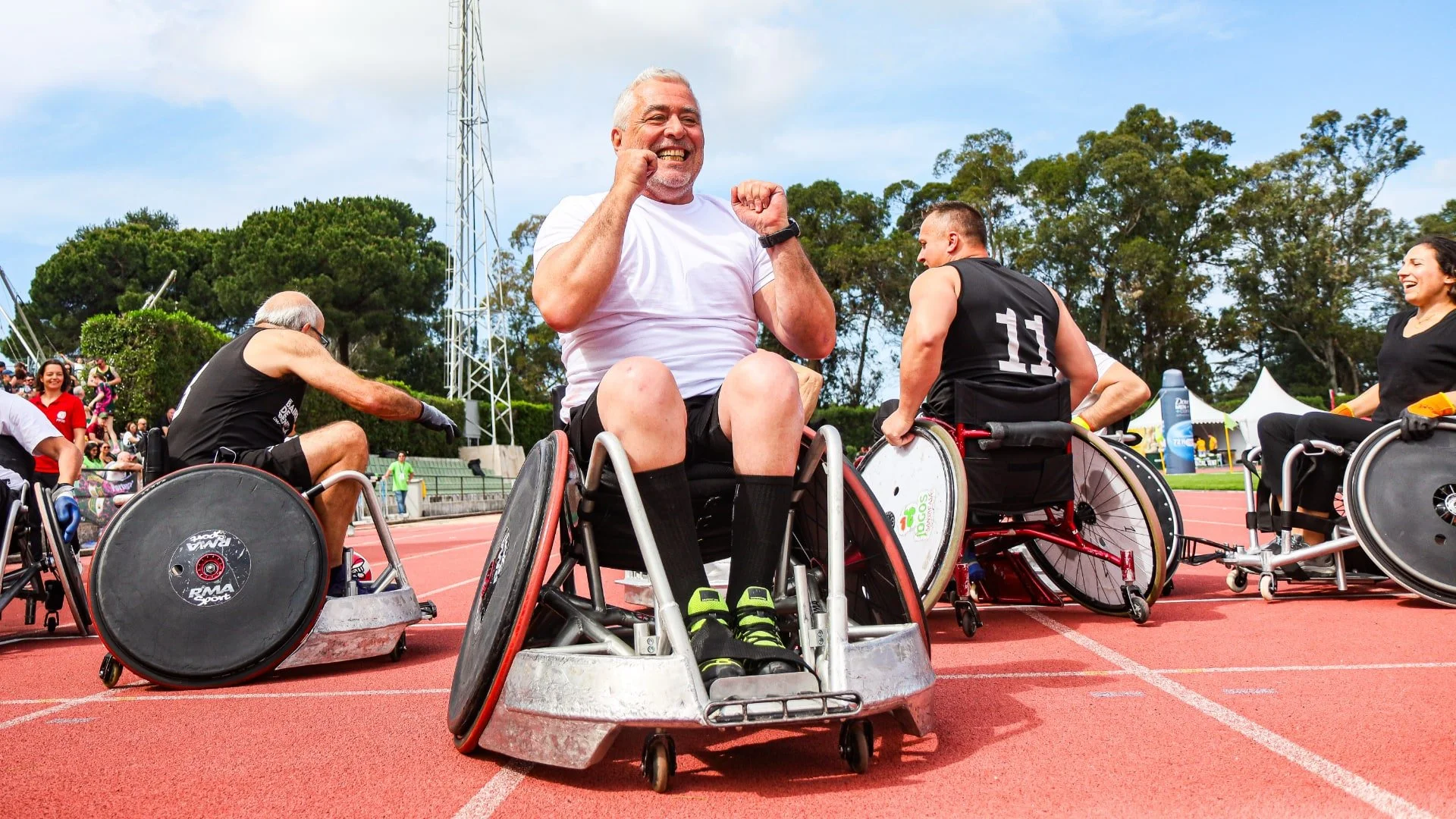
Sport is more than competition. It can heal, build belonging, reshape futures and strengthen communities. From helping young people gain confidence to offering a lifeline for those displaced or isolated, sport’s social impact is real and measurable. Below are several examples, across Europe and beyond, of how sport projects are changing lives, along with lessons and implications for communities (and sports organisers).
1. JU:MP – Bradford, UK: Children Designing Their Fitness Spaces
The Join Us: Move Play (JU:MP) programme in Bradford, West Yorkshire, targeted 30,000 children across eight neighbourhoods. Youth were given agency over designing local play spaces, transforming neglected land into engaging, child-friendly areas with nature play features, balance beams, etc.🔗 The Guardian
Alongside schools and after-school programmes (including madrasas), sport and play were integrated into daily schedules, offering free and accessible options for physical activity.🔗 The Guardian
Results: Children increased moderate to vigorous activity by 70 minutes per week on average; weekend inactivity dropped 22 minutes per day.
Key takeaway: When communities are involved in design, inclusion increases. Access + ownership = sustained engagement.
2. Buntkicktgut – Germany: Street Football for Social Integration
Buntkicktgut is an intercultural street‑football league founded in Munich and now active in several German and Swiss cities. It engages children and youths from diverse socioeconomic and migrant backgrounds. 🔗 Wikipedia – Buntkicktgut
More than just playing, participants take on roles as organisers, referees and journalists, building responsibility and leadership. Sport becomes a framework for cooperation and personal development.
Impact: Reduces aggression, increases social cohesion and mutual respect. For youth who may feel marginalised, it offers a structure for identity and belonging.
3. Portugal Rugby Youth Festival – Lisbon, Portugal: Inclusion Through Rugby
The Portugal Rugby Youth Festival is one of Europe’s premier youth rugby tournaments, held annually in Lisbon. Organised by Move Sports, it brings together hundreds of teams from across continents, with a strong focus on inclusion, respect and accessibility. 🔗 Portugal Rugby Youth Festival Official Website
The event stands out for:
Inclusion of teams from different countries, cultures, and socioeconomic backgrounds
Promotion of girls' rugby
Institutional and logistical support for teams with fewer resources
Partnerships with social initiatives such as the FPDD & Casa Pia Atlético Clube, with wheelchair rugby demos promoting sports for people with disabilities
Creation of safe spaces promoting respect, fair play and diversity
Support for 9 social impact organisations 🔗 Portugal Rugby Youth Festival Sustainability Report 2025
Lesson: By embedding social inclusion into the core of a major tournament, the Portugal Rugby Youth Festival transforms a competition into a platform for awareness, support, empowerment, and cultural exchange.
4. SPRING 2.0 – Spain: Integration of Refugees Through Sport
A project within the Sport for Peace programme, SPRING 2.0 works under Asociación Tarjeta Verde in Spain. It uses sport to help refugees integrate into host communities.
🔗 European Commission – Sport for Peace
The programme creates safe spaces for play and interaction, tackling trauma, language barriers and isolation through inclusive sport.
Lesson: Sport can be a powerful bridge for social inclusion when combined with sensitivity to local context and refugee needs.
5. The Bambisanani Partnership – UK & South Africa: Leadership Through Sport
The Bambisanani Partnership links UK schools with those in KwaZulu-Natal, South Africa. It uses sport and leadership programmes to promote education, exchange, and youth empowerment.
🔗 Wikipedia – Bambisanani Partnership
Example: South African students gained leadership awards, improved educational outcomes, and accessed international coaching methods.
Insight: Cross-cultural partnerships expand horizons and foster development through mutual learning and sport.
6. Open Fun Football Schools – Balkans & Beyond: Sport to Rebuild Civility
Launched in post-conflict Bosnia by the Danish Cross Cultures Project Association, Open Fun Football Schools now operate across Eastern Europe and the Middle East.
🔗 Wikipedia – Open Fun Football Schools
The focus is on fun, inclusion, and bridging divides, not just results. Children from conflicting groups play side-by-side, learning trust, teamwork and empathy.
Impact: Helps rebuild social bonds and encourages cooperation in post-crisis contexts.
7. Sport England – Uniting the Movement Strategy
Sport England's 10-year strategy, Uniting the Movement, prioritises communities facing barriers: low income, disability, and poor health. It sees sport as essential to national well-being.
🔗 Sport England
ROI: Every £1 invested in community sport returns nearly £4 in health, economic and social benefits.
Message: When government policy supports inclusive grassroots sport, the societal benefits multiply.
Conclusion
Sport has the power to transform lives and destinies, not only of individual athletes, but of entire communities. From local playgrounds in Bradford to rugby fields in Lisbon, the impact of inclusive sport is real.
At Move Sports, we believe sport is a tool for education, equality, and empowerment. Whether you're planning a tour, a training camp, or participating in a tournament, think beyond results. Think impact.
➡️ Explore Portugal Rugby Youth Festival