
Sport and Leadership: How the Pitch Shapes Future Leaders
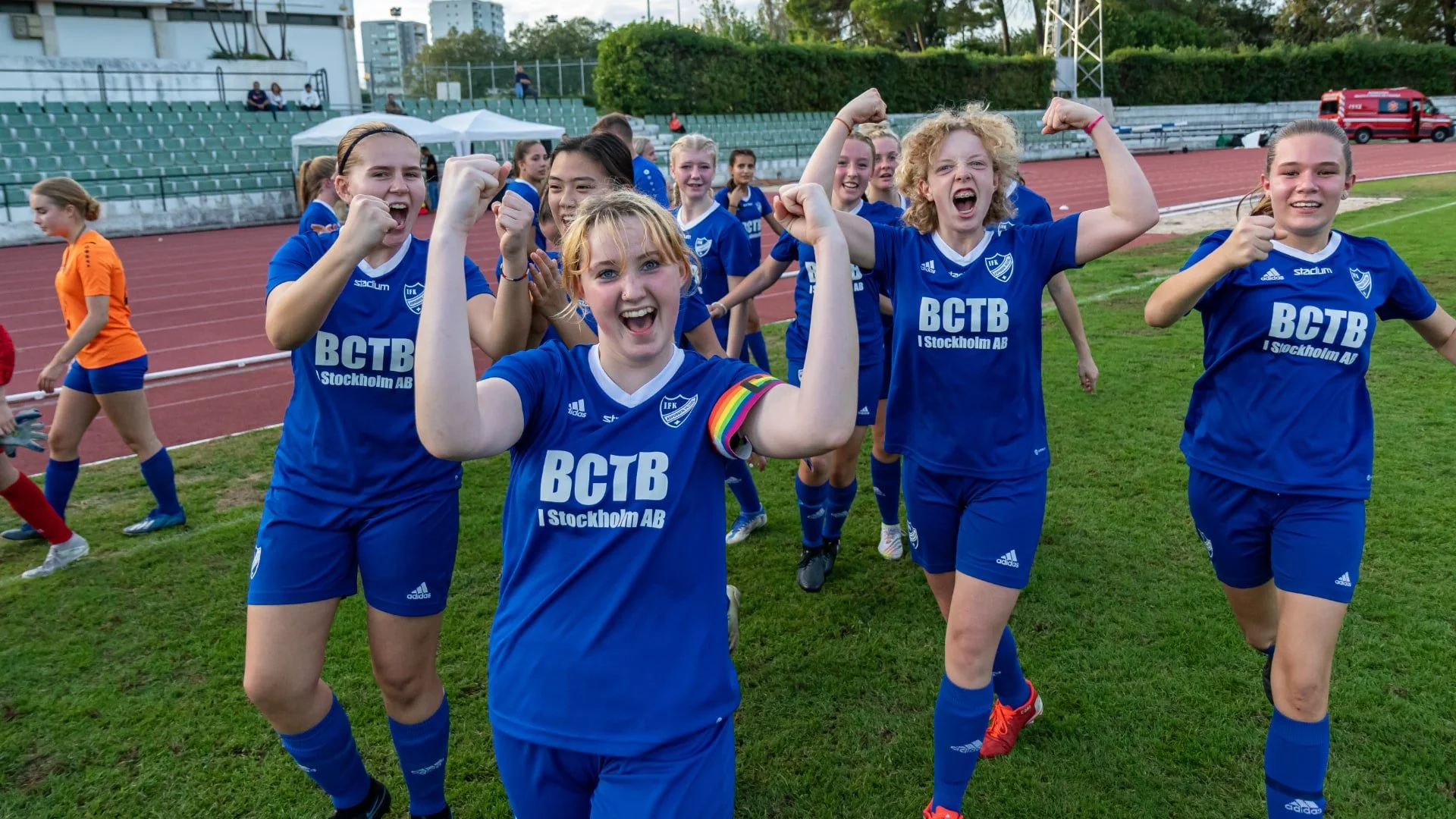
Beyond physical fitness and competition, sports serve as a fertile ground for cultivating leadership qualities in young individuals. The structured environment of sports offers unique opportunities for youths to develop skills such as communication, decision-making, and teamwork. This article delves into the role of sports in shaping future leaders, supported by research and real-world examples.
1. The Role of Sports in Leadership Development
Participation in sports inherently involves scenarios that require leadership. Whether it's a team captain motivating peers or a player making strategic decisions during a game, these experiences contribute to developing leadership competencies.
A study by the European Sports Leadership Programme (ESLP) highlighted that involvement in sports activities enhanced students' perceptions of their workplace and career competencies. Key skills developed included organisation, planning, communication, and adaptability. (researchgate.net)
2. Practical Examples of Leadership Through Sports
Team Captains: Often serve as the bridge between coaches and players, honing communication and conflict-resolution skills.
Peer Coaching: Senior players mentoring juniors develop patience, instructional skills, and empathy.
Organising Events: Involvement in planning team events or matches fosters organisational and decision-making abilities.
3. European Initiatives Promoting Leadership in Youth Sports
Several European programs focus on integrating leadership development within sports:
European Athletics Leadership Programme: Offers guidance and mentoring to leaders at all levels of athletics organisations across Europe. (european-athletics.com)
ENGSO Youth Platform: Engages young representatives from various organisations to discuss youth and sport priorities, fostering leadership and decision-making skills. (engsoyouth.eu)
4. Benefits of Leadership Skills Acquired Through Sports
Enhanced Communication: Regular interactions with teammates and coaches improve verbal and non-verbal communication skills.
Decision-Making: Quick thinking during games translates to better decision-making abilities in real-life scenarios.
Confidence Building: Overcoming challenges in sports boosts self-esteem and confidence.
Teamwork: Understanding team dynamics and working collaboratively is essential both on and off the field.
Conclusion
Sports provide a dynamic environment for young individuals to develop and hone leadership skills that are transferable to various aspects of life. Through structured programs and real-life experiences, youths learn the importance of communication, decision-making, and teamwork. As European initiatives continue to integrate leadership development into sports, the next generation is better equipped to lead with confidence and competence.
Note: This article is intended for informational purposes and is based on current best practices in youth sports leadership development.