
Six English Clubs in the Champions League 2025/26: What This Historic First Means
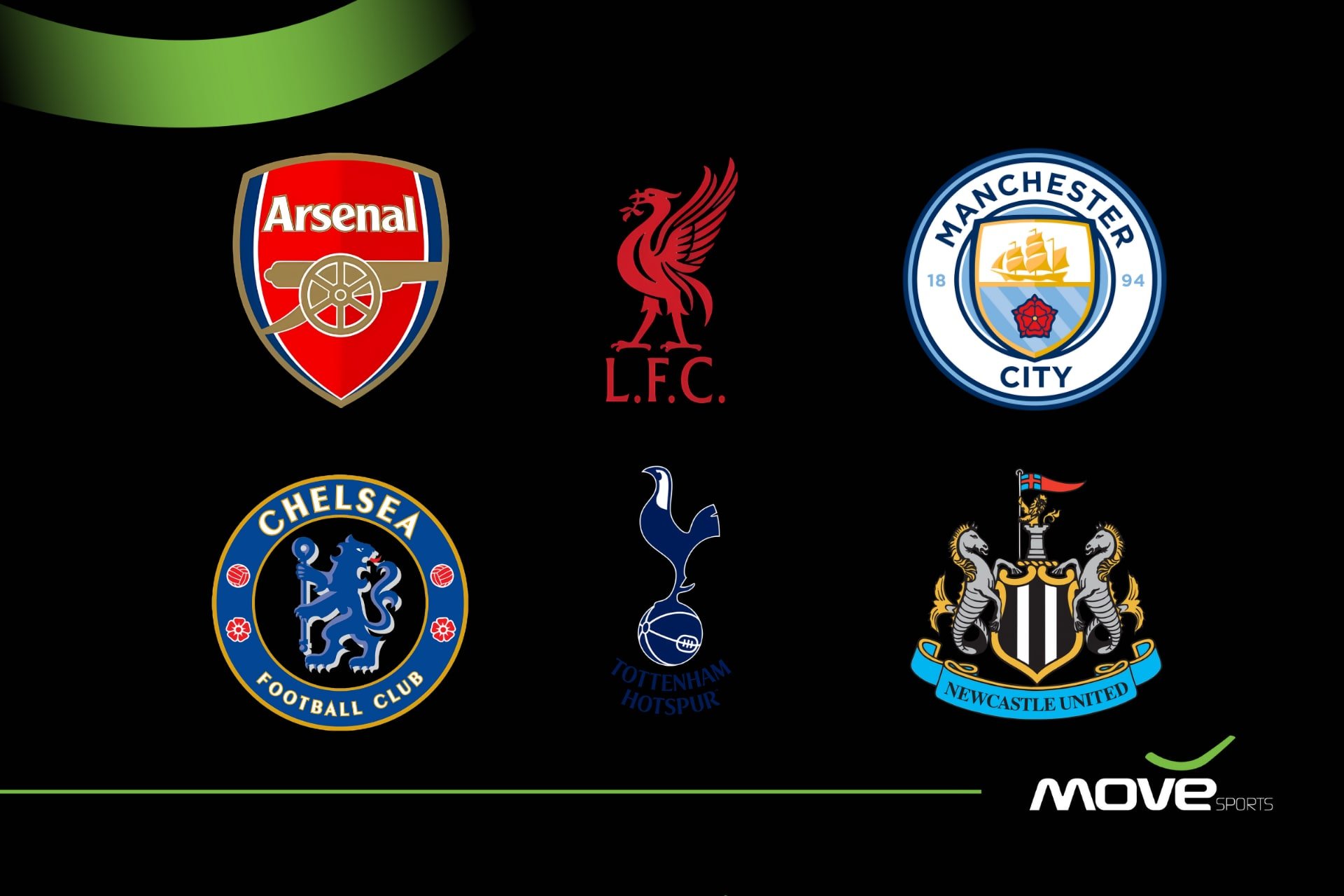
For the first time, six English clubs - Liverpool, Arsenal, Manchester City, Chelsea, Newcastle, and Tottenham - will compete in the 2025–26 UEFA Champions League. We analyse what this unprecedented occurrence means for competitive balance, fans, and football economics.
Why Six English Clubs?
For the 2025–26 Champions League, England makes history by securing six spots, a record. The four Premier League qualifiers (Liverpool, Arsenal, Manchester City, Chelsea) were joined by Newcastle United, via a European Performance Spot, and Tottenham Hotspur, after winning the Europa League. (SI; UEFA; FourFourTwo; Sky Sports)
Competitive Ramifications
This marks a significant shift in the competition’s dynamics. With six English teams, the Premier League becomes the most represented league, raising the odds of an English club winning yet again. (SI; Sky Sports)
Such representation intensifies rivalries and increases the significance of domestic performance. UEFA’s new “league phase” format ensures each club faces diverse opponents, adding strategic complexity and global appeal. (FourFourTwo; The Scottish Sun; Reuters; The Sun; Wikipedia; The Sun; SI; Dave Ockop; ESPN; Global Edge; Cadena SER; Sage Journals; UEFA)
Economic Stakes and Fan Impact
More English entrants mean broader global reach and heightened interest from both fans and sponsors. Matches featuring Premier League powerhouses typically attract larger audiences and higher broadcast revenues.
A case in point: Liverpool’s deep run last season injected a staggering £575 million into the UK economy. (All Football; The Sun)
Balance and Equity Concerns
While this English dominance reflects league strength, there are growing concerns about imbalance in European competition.
Smaller associations and mid-tier leagues risk losing visibility and exposure. Studies show Champions League participation brings substantial revenue through TV, sponsorships, and ticket sales, benefits that may now become more concentrated among elite clubs. (Research Gate; Ideas)
What Fans Should Watch
Fixture congestion warning: Six English teams could face schedule overload, especially given domestic and European commitments.
Rivalries reignited: Potential match-ups between English teams within the draw are restricted, but fans will follow their compatriots' progress alike.
The road to Budapest: Tracking each club’s path through the league phase and hopefully, to the final at Puskás Aréna on 30 May 2026. (Wikipedia; Reuters; FourFourTwo; SI; Sky Sports)
Conclusion
Having six Premier League clubs in the Champions League adds excitement, commercial clout, and prestige, but also raises questions about fairness and competitive balance. As the 2025–26 season unfolds, football will have its eyes on whether this marks a new era of English dominance or prompts reflection about inclusivity across Europe.