
Coaching Mastery: Best Practices to Discipline, Guide, and Motivate Athletes
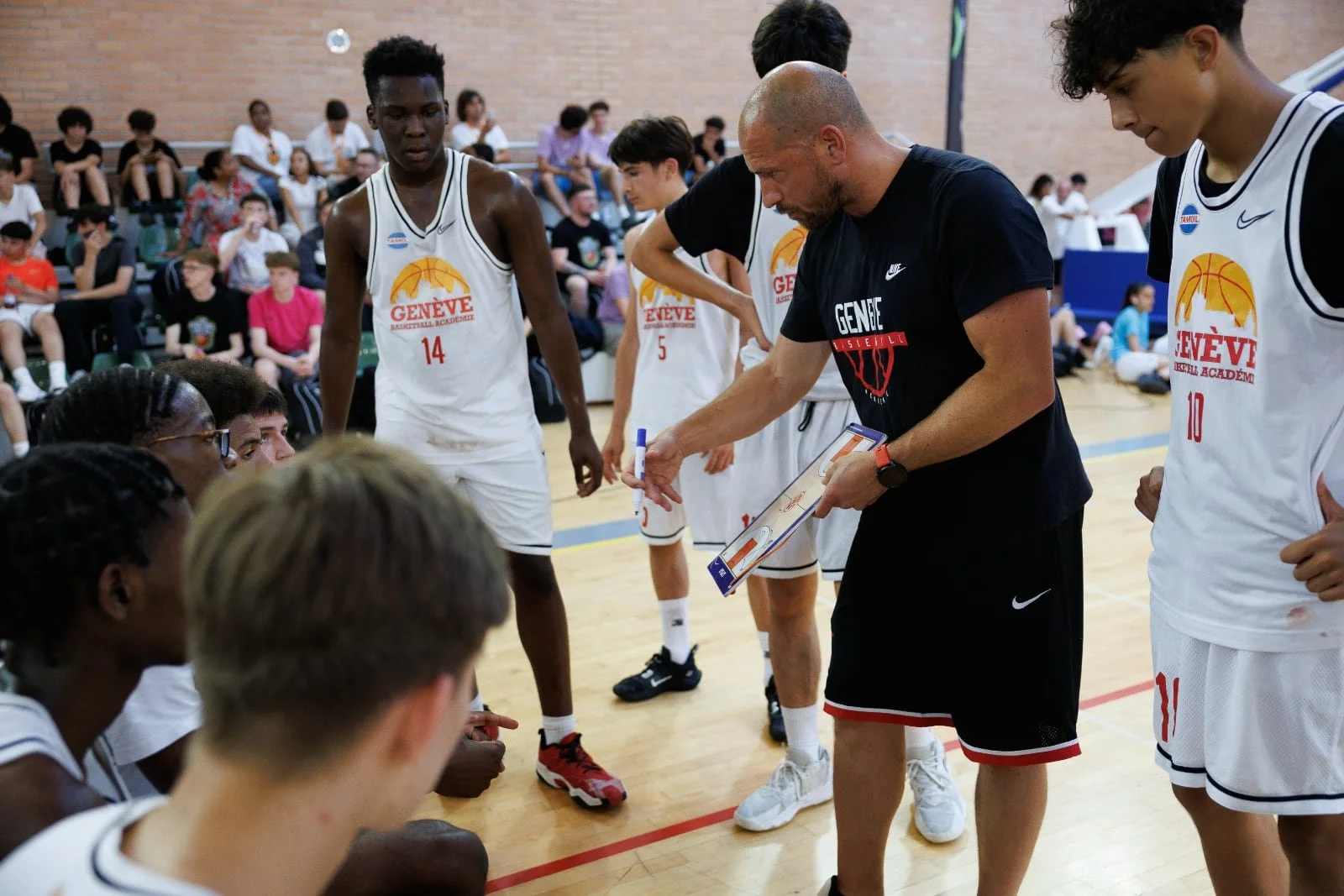
Coaching athletes is a multifaceted endeavour that requires a delicate balance of discipline, guidance, and motivation. Effective coaching not only enhances athletic performance but also fosters personal growth and development. This article delves into best practices for coaches, addressing common challenges and offering solutions to cultivate a positive and productive environment for athletes.
1. Establish Clear Expectations and Standards
Setting high standards and holding athletes accountable is crucial for building trust and respect. Clearly defined expectations regarding behaviour, effort, and performance provide athletes with a framework to strive towards excellence. Consistent enforcement of these standards ensures fairness and reinforces the team's values. (athleticperformanceacademy.co.uk)
2. Foster Open Communication
Effective communication is the cornerstone of successful coaching. Encouraging open dialogue allows athletes to express concerns, seek clarification, and feel valued within the team. Active listening and providing constructive feedback help in building a supportive environment where athletes are motivated to improve. (blog.bsnsports.com)
3. Implement Positive Discipline Strategies
Discipline should be approached as a teaching tool rather than a punitive measure. Utilising positive discipline techniques, such as reinforcing desired behaviours and providing clear explanations for rules, helps athletes understand the importance of discipline in achieving their goals. This approach promotes self-regulation and personal responsibility. (youthsports.rutgers.edu)
4. Understand Individual Motivations
Recognising that each athlete is unique is essential for effective coaching. Tailoring motivational strategies to individual needs can lead to enhanced performance. For instance, some athletes may respond well to public recognition, while others may prefer private affirmations. Understanding these preferences allows coaches to inspire athletes more effectively. (appliedsportpsych.org)
5. Address Common Coaching Challenges
Coaches often face challenges such as managing diverse personalities, balancing discipline with encouragement, and dealing with external pressures. Developing strategies to navigate these issues is vital. For example, fostering a team culture that values inclusivity and respect can mitigate conflicts arising from personality differences. Additionally, seeking mentorship or professional development opportunities can provide coaches with new perspectives and tools to overcome obstacles. (coachfoundation.com)
6. Promote a Growth Mindset
Encouraging athletes to view challenges as opportunities for growth fosters resilience and a love for learning. Emphasising effort over innate talent helps athletes develop perseverance and adaptability, essential traits for long-term success. (en.wikipedia.org)
7. Prioritise Athlete Well-being
Ensuring the physical and mental well-being of athletes is paramount. Implementing comprehensive risk management and injury prevention protocols safeguards athletes' health. Moreover, promoting a balanced approach to training and life outside of sports helps prevent burnout and supports overall well-being. (thesportjournal.org)
Conclusion
Effective coaching is an art that blends discipline, guidance, and motivation. By implementing these best practices, coaches can create an environment that not only enhances athletic performance but also contributes to the holistic development of their athletes. Embracing continuous learning and adapting to the evolving needs of athletes will ensure sustained success and fulfillment in the coaching journey.